
Antoine Rimbert, Institut du thorax, Nantes, France
Antoine Rimbert holds a PhD in genetics, with a focus on familial forms of cardiovascular diseases and dyslipidemia. He completed a postdoctoral fellowship in Groningen (the Netherlands), where he conducted population-based genetic studies as well as functional analyses in vitro and in mice, leading to the identification of genes and biological mechanisms involved in the regulation of plasma and liver lipid levels.
His current research at l’Institut du Thorax (Nantes, France) focuses on the molecular determinants of dyslipidemias and genetic predispositions to cardiometabolic traits, with the aim of uncovering novel pathways implicated in cardiovascular and metabolic diseases.
His research combines expertise in bioinformatics, in vitro and in vivo testing. It integrates multi-omic methodologies and functional approaches, including the development of human iPSC-derived hepatic organoid and animal models.

Anja Zeigerer, Head “Basic Principles of Metabolic Diseases”, European Center for Angioscience and Medical Faculty Mannheim of Heidelberg University, Mannheim, Germany
Anja Zeigerer is a professor at the Medical Faculty Mannheim of Heidelberg University, Germany. Her research group at the European Center for Angioscience in Mannheim investigates the links between hepatic endosomal trafficking and the regulation of glucose and lipid metabolism. These processes are disrupted in type 2 diabetes, obesity, and metabolic dysfunction-associated steatotic liver disease, as well as in related complications such as cardiovascular disease. Anja’s pioneering early work helped establish the connection between these seemingly distinct processes, contributing to a rethinking of therapeutic strategies for cardiometabolic diseases. She has co-authored more than 30 peer-reviewed publications and has served on the editorial boards of several journals and funding agencies. She has received prestigious research funding, including support through the H2020-MSCA-ITN 2020 program.
Anja studied biology in Heidelberg. Following diploma research at Memorial Sloan Kettering Cancer Center and a PhD at Weill Cornell Medical College, she completed postdoctoral training at Rockefeller University and the Max Planck Institute in Dresden. She became a group leader in 2015 and a Division Head at Helmholtz Munich in 2021. Since 2023, she has been a full professor in Mannheim, where she continues to investigate the endosomal regulation of liver metabolism in health and disease.
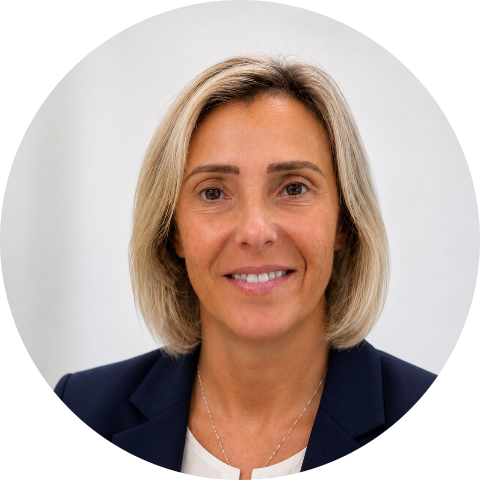
Francesca Zimetti, University of Parma, Italy
Francesca Zimetti, PhD, is Full Professor of Pharmacology at the Department of Food and Drug, University of Parma, Italy. She obtained her PhD in Experimental Pharmacology and Toxicology from the University of Parma in 2006 and conducted doctoral and post-doctoral research at the Children’s Hospital of Philadelphia Research Institute (USA) from 2004 to 2007 under the mentorship of Dr. George H. Rothblat.
Her research focuses on lipoprotein function, cholesterol homeostasis, and their pharmacological modulation in many chronic diseases. Over the past decade, she has made significant contributions to the understanding of HDL dysfunction and cholesterol metabolism defects in neurodegenerative disorders, for the identification of novel pharmacological targets and lipid-based therapeutic strategies.
Francesca Zimetti has participated in several nationally and internationally funded research projects, as PI or Co-Investigator. She has presented her work at numerous national and international scientific meetings through invited lectures (around 20), oral and poster communications.
She serves as Associate Editor of the Journal of Alzheimer’s Disease and Co-Editor of Atherosclerosis Plus. She is an active member of several national and international scientific societies, including the European Lipoprotein Club.
Her scientific output includes 81 peer-reviewed publications, with 3550 citations and an H-index of 31 (Scopus).